
TUFF DECK BUILDERS
Decking Materials We Use Across the United States
The right decking material should fit the home, the way the outdoor space will be used, the local climate, and the amount of ongoing care the homeowner is comfortable performing.
Local Expertise. National Brand Support.
Through our national network, Tuff Deck Builders connects homeowners with local branches and independent contracting partners who may work with composite decking, Advanced PVC, aluminum, waterproof vinyl, cedar, pressure-treated wood, and other products suited to new decks, replacements, balconies, elevated structures, and outdoor living projects.
Each material category provides a different balance of appearance, durability, moisture performance, maintenance, and initial cost. Surface temperature, traction, board movement, drainage, fastening requirements, and compatibility with railings, fascia, or water-management systems may also affect the final decision.
show lessWhat You’ll Find in This Decking Materials Guide
This page explains the principal decking materials homeowners may encounter when planning a new deck installation, a deck replacement, a balcony, or another elevated outdoor living project. It covers composite, Advanced PVC, aluminum, waterproof vinyl, cedar, and pressure-treated wood, along with several recognized brands used for residential deck construction.
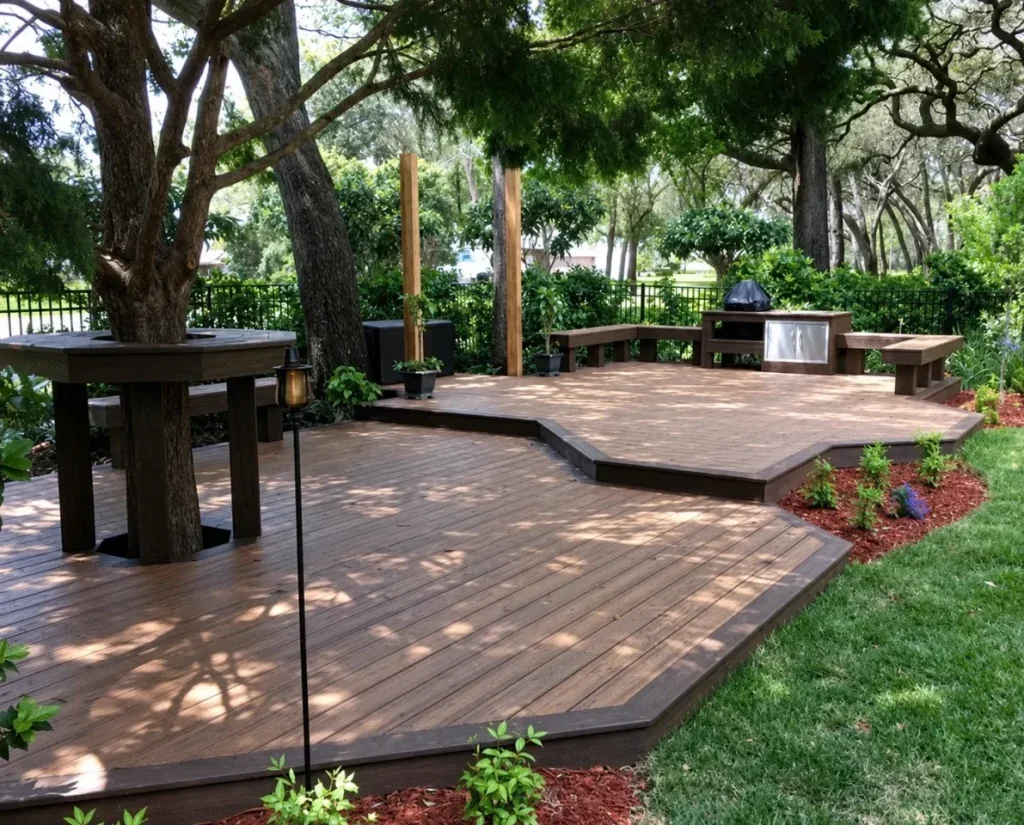
You will find an overview of how each material is constructed, where it may be used, and what kind of upkeep it generally requires. The guide also compares appearance, maintenance, moisture exposure, intended use, and project cost so you can prepare for a more productive conversation with a local deck-building professional.
Material lines, colors, warranties, installation requirements, and availability vary by manufacturer and market. Your local TUFF Deck Builders branch or independent contracting partner will confirm which options are available and appropriate for your property before materials are ordered or construction begins or construction begins.
show lessSchedule a Call With Our Partnership Team
Explore Decking Materials and Brands
The decking options available through professionals in our network may include established manufactured products as well as natural wood. Some materials are designed to reduce routine refinishing. Others are selected for waterproofing, integrated water management, natural character, structural compatibility, or a more accessible initial material cost.
Schedule a Call With Our Partnership Team
Deck Builders
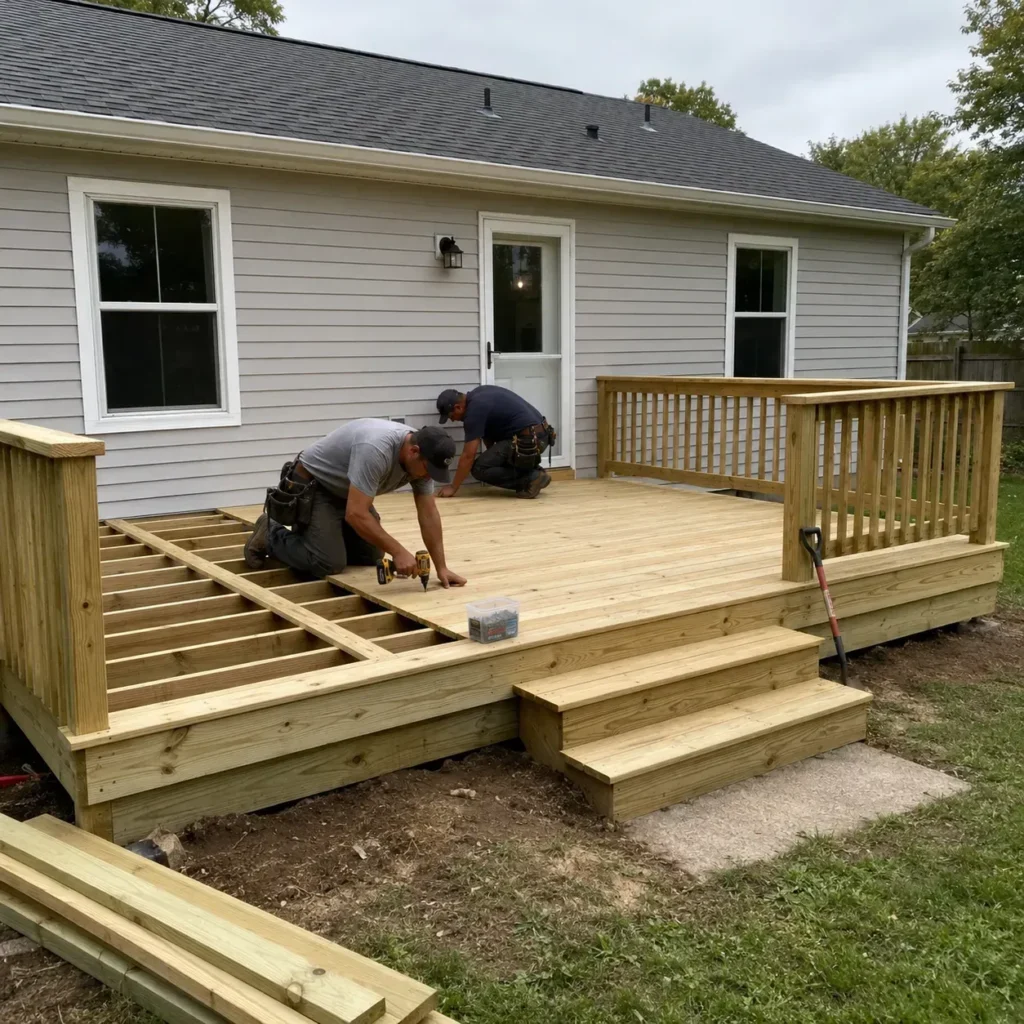
Tuff Deck Builders’ network includes deck builders with years of hands-on experience in residential outdoor construction. From the first design conversation to the final walkthrough, our local partners work directly with homeowners to turn ideas into functional, durable outdoor spaces. We connect homeowners with builders who are established in their local market and familiar with regional building requirements, so every project reflects both craftsmanship and local know-how.
show moreBecause we operate as a national network rather than a single local company, homeowners get consistent standards for professionalism and communication no matter which branch or partner they work with. Local deck builders in our network evaluate each property, recommend the right approach, and carry projects through to completion, with pricing and scheduling determined locally by the professionals doing the work.
show less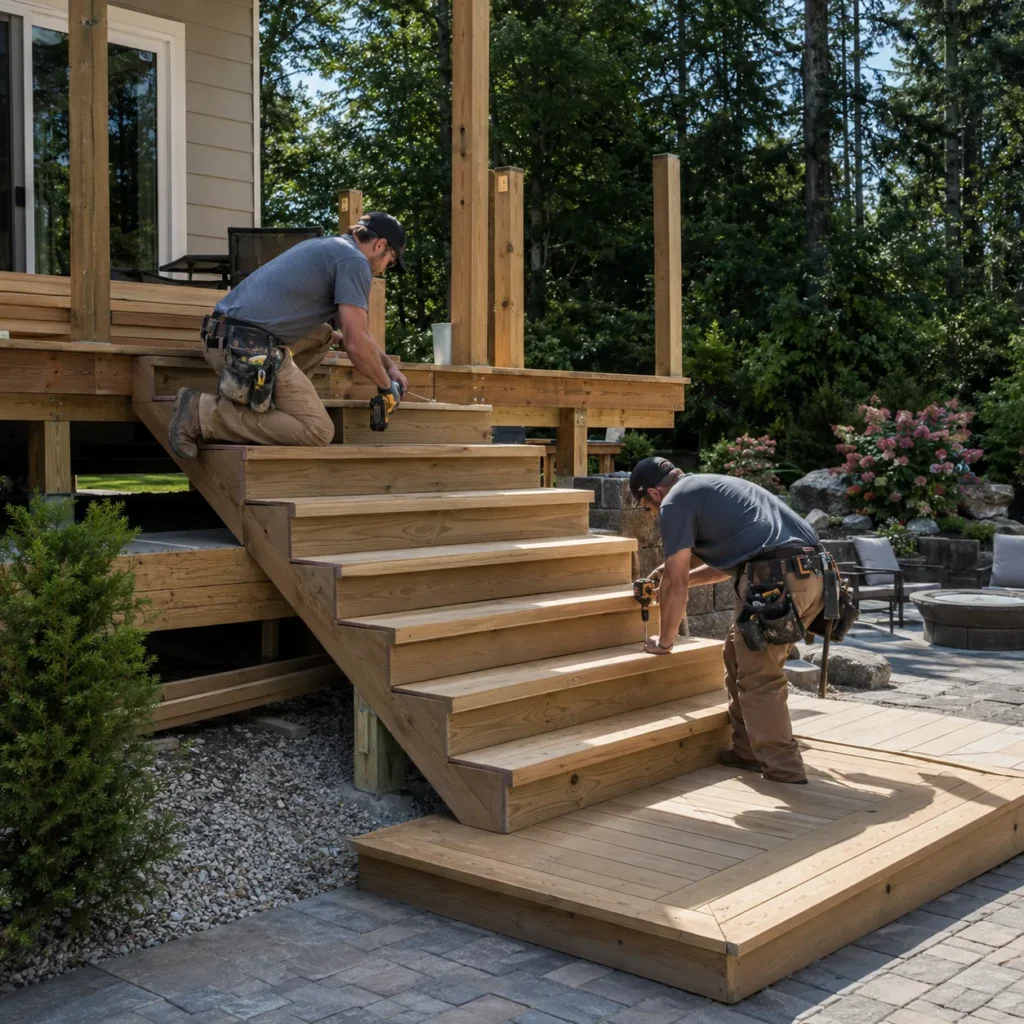
Deck Installation
Deck building and installation services require careful planning, from site evaluation and material selection to structural framing and finish work. Our local branches and contracting partners bring that expertise to every installation project, working with homeowners to determine the right layout, materials, and features for their outdoor space. We connect homeowners with installation professionals who understand both the craft and the practical realities of building in their area.
show moreLocal professionals in our network typically manage permitting where required, scheduling, and the construction process itself, keeping homeowners informed at each stage. Because installation standards, timelines, and costs differ by market, our local partners provide project-specific estimates and agreements directly, so homeowners know what to expect before work begins.
show lessSchedule a Call With Our Partnership Team
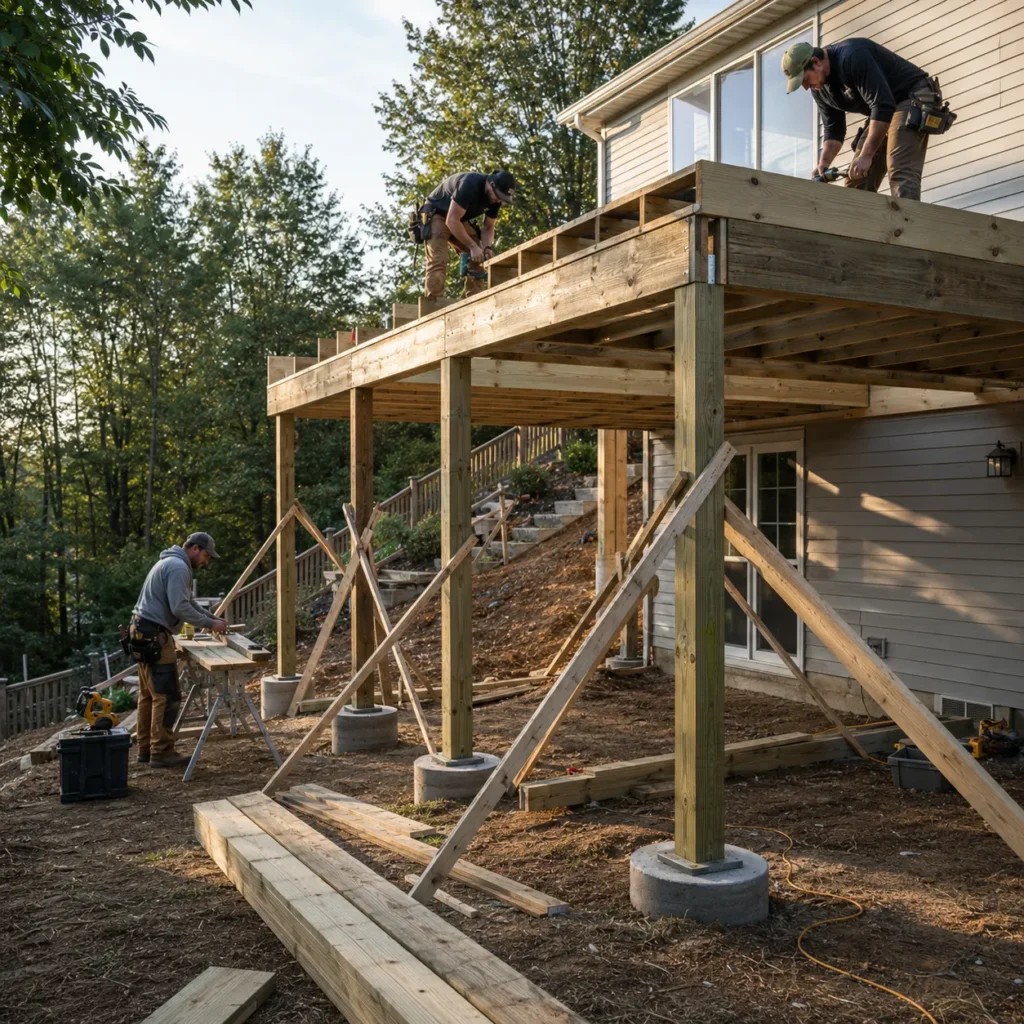
Deck Replacement
An aging or damaged deck often calls for replacement rather than repair, and our network includes local professionals experienced in removing existing structures and building new ones in their place. Our local partners assess the condition of an existing deck, walk homeowners through material and design options, and manage the replacement process from removal through final construction.
show moreTuff Deck Builders built its national brand to make it easier for homeowners to find deck replacement professionals they can trust, backed by local knowledge of permitting, codes, and construction practices. Warranty terms, pricing, and project scope for deck replacement work are set by the local branch or contracting partner handling the project, since these details vary by location.
show less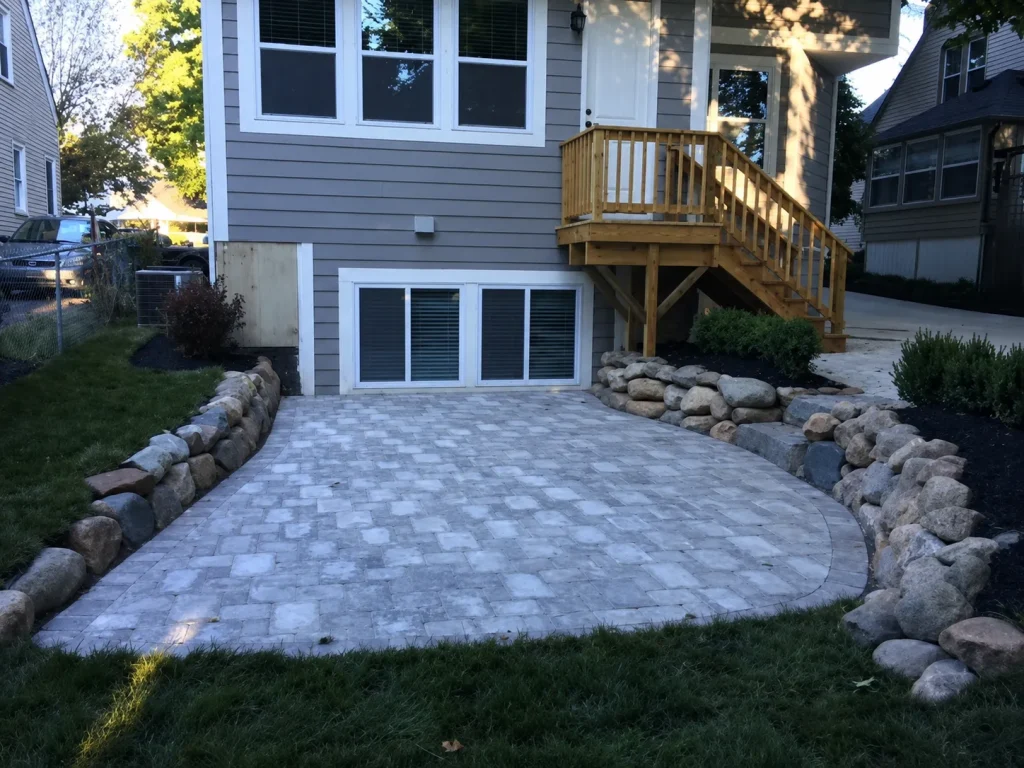
Patio Builders
Patios remain a popular way to extend outdoor living space, and our network connects homeowners with patio builders experienced in a range of materials and layouts. Our local partners evaluate each property’s grading, drainage, and design goals to recommend a patio solution suited to the space and its intended use.
show moreAs a national brand, we support the patio builders in our network with marketing and customer connection tools, while the local professionals themselves handle estimates, construction, and completion. That structure means homeowners work with builders who understand local soil conditions, climate, and material availability, while still benefiting from the reliability of a recognized national network.
show lessSchedule a Call With Our Partnership Team
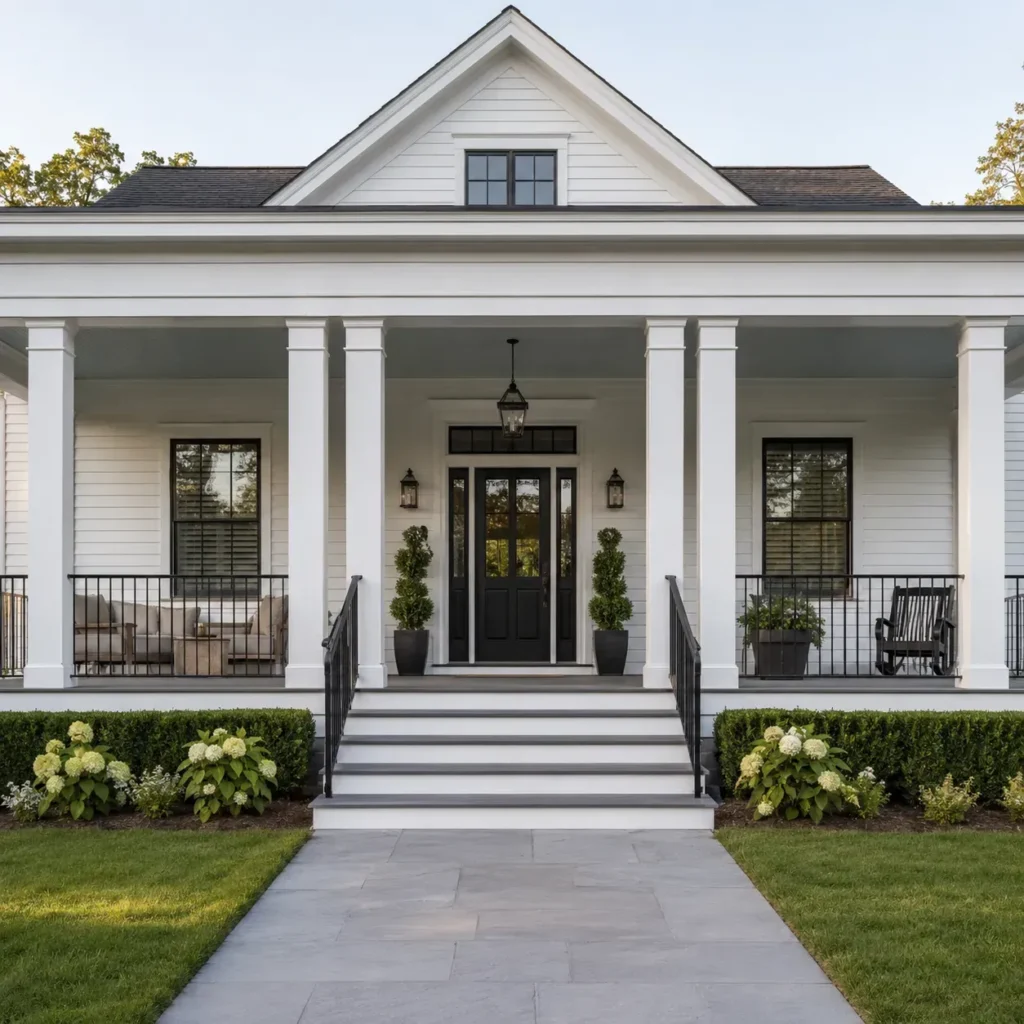
Porch Builders
A well-built porch adds curb appeal and functional outdoor living space, and our network includes porch builders experienced in a variety of styles and structural approaches. Our local partners work with homeowners to design porches that complement the home’s architecture and meet local building requirements.
show morePorch construction often involves specific permitting and structural considerations, and our local branches are well positioned to manage those details in their markets. Tuff Deck Builders built its national network to simplify the search for a qualified porch builder, while pricing, materials, and timelines are worked out directly between the homeowner and the local professional.
show less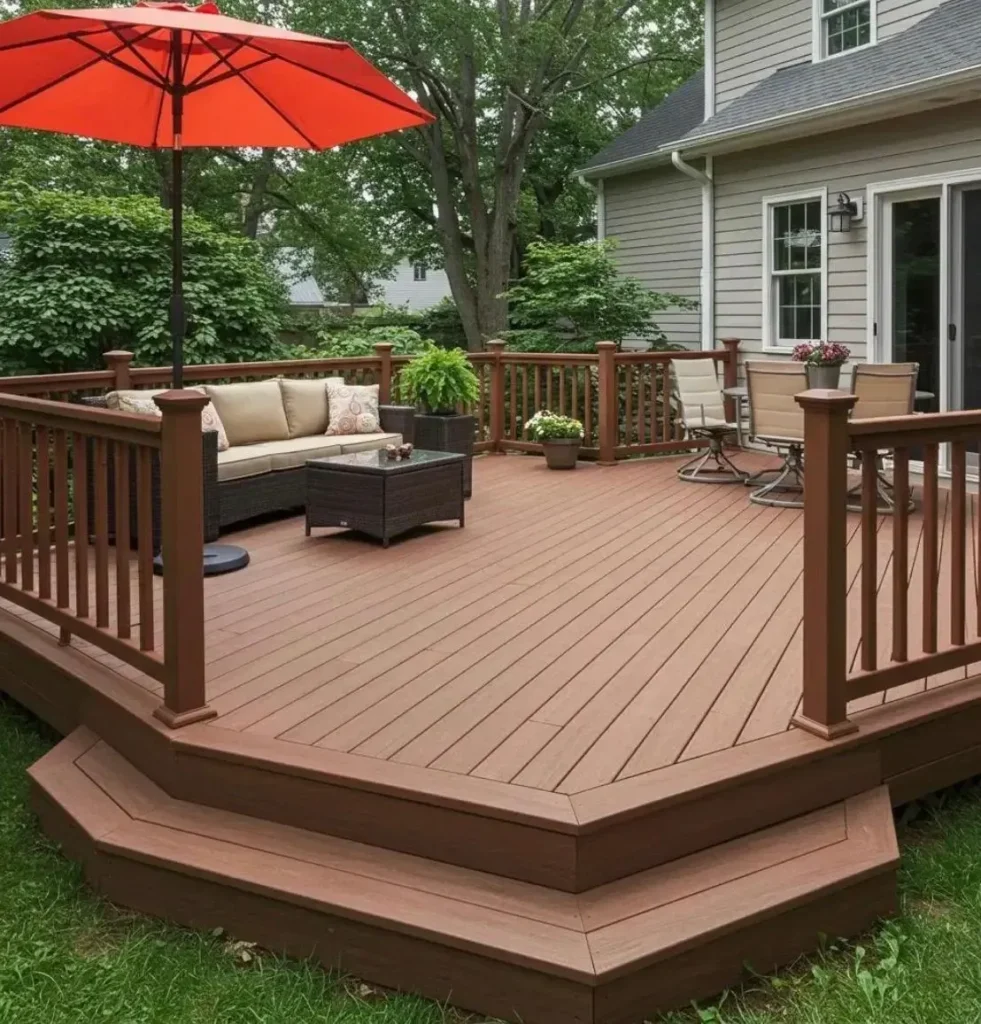
Floating Deck Builder
Floating deck construction offers a flexible, ground-level option for homeowners who want outdoor living space without the structural requirements of an attached deck. Our network includes local professionals experienced in floating deck design and construction, familiar with the site preparation and material choices that help keep these structures durable over time.
show moreBecause floating decks are often subject to different permitting rules than attached structures, our local branches and partners are best positioned to advise homeowners on what applies in their specific area. We connect homeowners with these professionals, while project scope, pricing, and completion remain the responsibility of the local contracting partner.
show lessSchedule a Call With Our Partnership Team
Wood Deck Builders
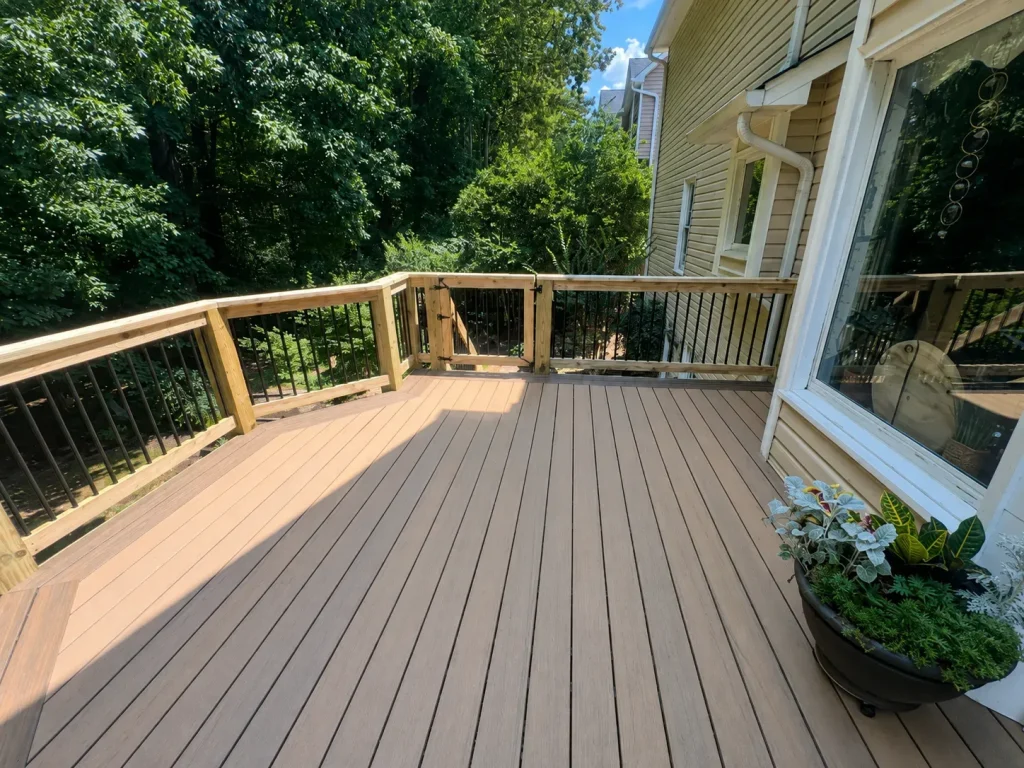
Wood decks remain a preferred choice for homeowners who value natural materials and traditional craftsmanship. Our network includes wood deck builders experienced with a range of species and finishing techniques, who can guide homeowners through material selection based on durability, appearance, and maintenance needs.
show moreOur local partners handle the construction and finishing work needed to complete a wood deck, including any staining, sealing, or structural detailing the project calls for. As with all projects in our network, material availability and pricing for wood decking vary by location, so our local branches provide project-specific guidance and estimates.
show less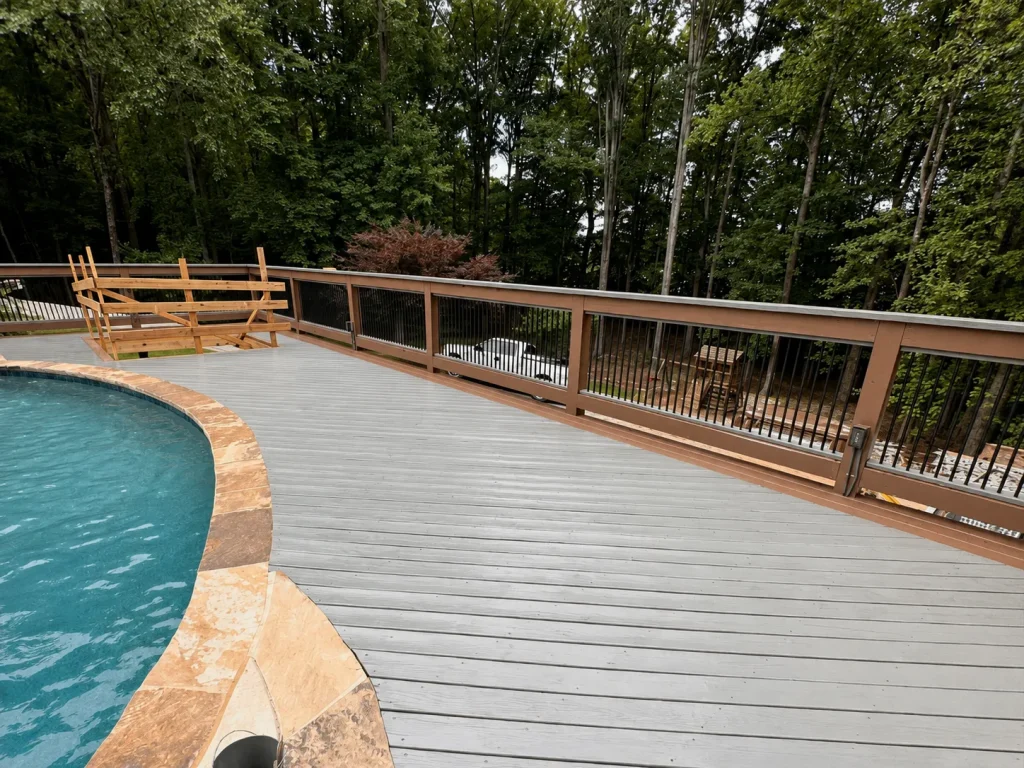
Composite Deck Builders
Composite decking has become a popular alternative to natural wood, giving homeowners a low-maintenance option with a long service life. Our network includes composite deck builders familiar with the leading composite materials and the installation techniques these products need for lasting performance.
show moreOur local branches and contracting partners help homeowners compare composite decking options and choose products that fit their budget and design preferences. Warranty coverage for composite materials and installation work typically comes through the manufacturer and the local contractor, so our local partners walk homeowners through those details directly as part of the estimate and agreement process.
show lessSchedule a Call With Our Partnership Team
Frequently Asked Questions
What decking materials are available through Tuff Deck Builders?
Tuff Deck Builders helps homeowners compare decking materials for new decks, replacements, balconies, elevated structures, and other outdoor living projects across the United States. Options available through our network may include composite decking, Advanced PVC, aluminum, waterproof vinyl, cedar, pressure-treated wood, and other products suited to the application. Material selection should consider appearance, maintenance, moisture exposure, surface temperature, traction, board movement, drainage, fastening, and compatibility with railings or fascia. Because product availability and installer qualifications vary by market, a local professional confirms which decking materials and systems are appropriate and available before materials are ordered or construction begins.
What are the benefits of different decking materials?
Different decking materials offer different advantages, so the right choice depends on the home, project design, exposure, and homeowner priorities. Composite and Advanced PVC can reduce routine refinishing, while aluminum may provide integrated water management for certain elevated applications. Waterproof vinyl can create a continuous walkable membrane where controlling water is a central concern. Cedar provides natural grain and traditional character, while pressure-treated wood may offer a more accessible initial material cost. Homeowners should compare these benefits with climate, deck height, drainage needs, expected traffic, maintenance preferences, product availability, and total project budget rather than choosing a material based on one feature alone.
How do I choose the right decking material for my home?
Choosing the right decking material starts with evaluating the project as a complete system rather than comparing appearance alone. A local TUFF professional may review the planned deck location, elevation, access, drainage, exposure, existing conditions, preferred appearance, maintenance expectations, and approximate budget. Materials should also coordinate with framing, stairs, fascia, railings, fastening systems, and any waterproofing or drainage details. Physical samples can help homeowners compare colors and textures under actual daylight conditions. Our deck project process provides additional information about how local professionals handle project-specific evaluations, estimates, material procurement, permitting responsibilities, and construction.
Which decking materials require less maintenance?
Composite, Advanced PVC, aluminum, and waterproof vinyl generally require less routine refinishing than cedar or pressure-treated wood, but none of these decking materials is maintenance-free. Manufactured surfaces still require cleaning, inspection, debris removal, drainage management, and product-specific care. Cedar and pressure-treated wood typically need more ongoing protection, including periodic sealing or staining, to help manage moisture, sunlight, fading, checking, and surface wear. Maintenance expectations should be considered before selecting a decking material because regional climate and exposure can affect the amount of care required. A local professional can help homeowners compare maintenance needs among the products and systems available in their market.
When should I consider waterproof decking for my project?
Waterproof decking may be considered for balconies, roof decks, and elevated decks above usable or enclosed areas where controlling water is an important project goal. Waterproof vinyl systems can create a continuous finished walking surface and waterproof layer, while certain aluminum systems use interlocking boards and integrated channels to direct water. In either case, successful performance depends on more than the visible surface. Substrate conditions, slope, drainage, seams, outlets, penetrations, wall transitions, framing coordination, fastening, and perimeter details must work together. A local property evaluation can help determine whether a waterproof system is appropriate for the structure, intended use, regional conditions, and available installation options.
How does regional weather affect decking material selection?
Regional weather can significantly influence decking material selection, installation details, and long-term maintenance. Heavy rain, humidity, coastal air, strong ultraviolet exposure, extreme summer heat, snow, ice, freeze-thaw cycles, and airborne debris may affect surface temperature, moisture movement, drainage, fastening, and care requirements. The decking surface is only one part of the complete system, so framing, ventilation, slope, flashing, drainage, and compatible fasteners also matter. Materials should be evaluated for the actual property and application rather than selected by region alone. Local TUFF professionals can review exposure, structure, intended use, maintenance expectations, and product availability when helping homeowners narrow their decking material options.
How should I prepare for a decking material consultation?
Homeowners can prepare for a decking material consultation by identifying the planned deck size, layout, material preferences, railings, stairs, drainage needs, and other desired features. It also helps to consider preferred appearance, expected use, maintenance expectations, weather exposure, and approximate budget. For replacement projects, existing conditions, demolition requirements, access, and structural considerations may affect the scope. An on-site property review can identify details that cannot be determined from material descriptions alone. When ready, homeowners can request a deck estimate so the appropriate local branch or independent contracting partner can evaluate the proposed project and confirm suitable material options.
What factors affect the cost of decking materials and installation?
The cost of decking materials and installation depends on more than the price of the deck boards. Material category, selected collection, deck size, height, design complexity, framing, demolition, site access, stairs, railings, borders, fascia, lighting, drainage, waterproofing, permitting, and local labor conditions may all affect the project estimate. Specialty systems or complicated elevated applications can also change the overall construction scope. Homeowners should consider the initial project requirements alongside longer-term responsibilities such as cleaning, inspections, and refinishing where applicable. Because pricing and product availability vary by property and market, the local branch or independent contracting partner prepares the project-specific scope, pricing, agreement, and payment terms.
What project requirements should be considered before installing decking?
Decking project requirements depend on the structure, location, project size, intended use, material system, and applicable local requirements. Elevated decks and waterproof applications may require especially careful coordination of slope, substrate, flashing, drains, seams, penetrations, wall transitions, framing, and perimeter details. Manufacturer installation instructions and compatible fastening methods also matter for composite, PVC, aluminum, vinyl, cedar, and pressure-treated wood systems. Permitting, inspections, building codes, zoning, setbacks, and structural requirements can vary by jurisdiction and project scope. The local professional should verify applicable requirements with the appropriate local department and evaluate the property before final materials, construction details, and installation methods are selected.
How do decking materials compare for maintenance and long-term performance?
Composite, Advanced PVC, aluminum, waterproof vinyl, cedar, and pressure-treated wood have different maintenance and long-term performance characteristics. Composite and PVC reduce routine refinishing but still require cleaning and product-specific care. Aluminum does not require staining or sealing, yet routine cleaning and inspection remain important. Waterproof vinyl requires cleaning and protection from damage, and its performance depends on the complete waterproof assembly. Cedar and pressure-treated wood generally require more ongoing protective treatment, including periodic sealing or staining. Long-term performance depends on selecting a material appropriate for the application, correctly preparing and building the supporting structure, managing water, following installation requirements, and maintaining the deck according to the selected product.